Losing teeth affects more than just your smile. It can change how you eat, speak, and even how you feel about yourself. When it comes to replacing missing teeth, two popular options stand out: dental implants and dentures. Each has its own benefits and challenges. Understanding these can help you make the best choice for your long-term oral health.
What Are Dental Implants and Dentures?
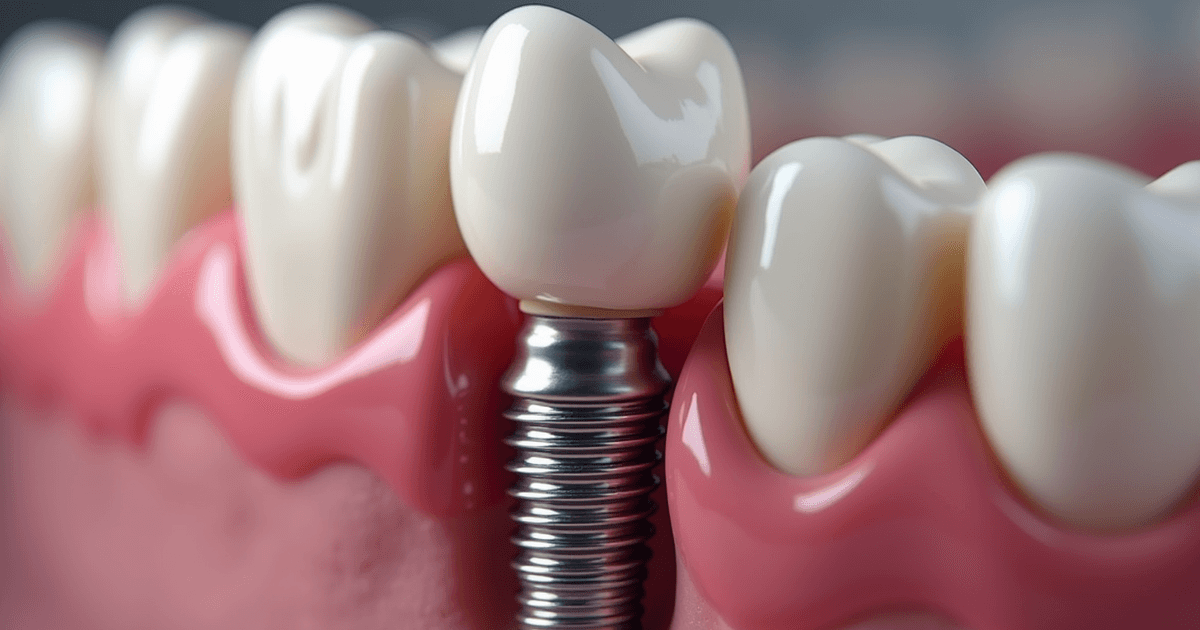
Dental implants are small titanium posts surgically placed into the jawbone. They act like natural tooth roots and provide a strong foundation for fixed or removable replacement teeth. Implants fuse with the bone through a process called osseointegration, making them stable and durable.
Dentures are removable appliances that replace missing teeth and surrounding tissues. They can be full (replacing all teeth) or partial (replacing some teeth). Dentures rest on the gums and are held in place by suction or adhesives.
Long-Term Health Benefits of Dental Implants
Dental implants offer several advantages that go beyond just restoring your smile:
Bone Preservation
When a tooth is lost, the jawbone begins to shrink because it no longer receives stimulation. Implants mimic natural tooth roots and stimulate the bone, preventing bone loss and maintaining facial structure.
Improved Oral Function
Implants provide strong support for chewing and speaking. Unlike dentures, they do not slip or cause discomfort, allowing you to eat a wider variety of foods with confidence.
Durability and Longevity
With proper care, implants can last 20 years or more. They are made from biocompatible materials that resist decay and damage.
Better Oral Hygiene
Implants can be cleaned like natural teeth, reducing the risk of gum disease and other oral infections that sometimes occur with dentures.
Enhanced Comfort and Confidence
Because implants feel and function like natural teeth, they often improve self-esteem and quality of life.
Advantages and Considerations of Dentures
Dentures remain a common choice for tooth replacement, especially for those who want a non-surgical option or have lost many teeth.
Non-Invasive
Dentures do not require surgery, making them suitable for patients who cannot undergo implant surgery due to health reasons or bone loss.
Lower Initial Cost
Dentures generally cost less upfront compared to implants.
Quick Solution
Dentures can be made and fitted relatively quickly, providing immediate improvement in appearance and function.
However, dentures come with some challenges:
Bone Loss Continues
Since dentures do not stimulate the jawbone, bone loss continues over time, which can change the fit and appearance.
Fit and Comfort Issues
Dentures may slip, cause sore spots, or require adhesives. They need periodic adjustments or replacement.
Dietary Restrictions
Some foods may be difficult to eat with dentures, limiting your diet.
Maintenance
Dentures require daily cleaning and care to avoid infections and bad odors.
The Surgical Process for Dental Implants
Getting dental implants involves several steps that take place over a few months:
Initial Consultation and Planning
Your dentist or oral surgeon evaluates your oral health, bone density, and medical history. X-rays or 3D scans help plan implant placement.
Tooth Extraction (if needed)
If damaged teeth remain, they are removed before implant placement.
Implant Placement Surgery
The titanium posts are surgically inserted into the jawbone under local anesthesia. This procedure usually takes 1-2 hours per implant.
Healing and Osseointegration
Over 3 to 6 months, the implant fuses with the bone. During this time, a temporary crown or denture may be used.
Abutment Placement
Once healed, an abutment (connector) is attached to the implant to hold the replacement tooth.
Crown or Prosthesis Attachment
Finally, a custom-made crown, bridge, or denture is secured to the abutment.
Recovery Timeline After Implant Surgery
Recovery varies by individual but generally follows this timeline:
First Few Days
Mild swelling, bruising, and discomfort are common. Pain medication and ice packs help manage symptoms.
First Two Weeks
Soft foods are recommended. Avoid smoking and strenuous activity to promote healing.
3 to 6 Months
Osseointegration occurs. Regular check-ups ensure the implant is stable.
After Healing
The final restoration is placed, and normal eating and oral hygiene routines resume.
Most patients return to normal activities within a few days, but full healing takes several months.
Dental implant securely placed in jawbone showing integration with surrounding tissue
How to Decide Which Option Is Right for You
Choosing between dental implants and dentures depends on several factors:
Oral and Overall Health
Implants require sufficient bone and good health for surgery. Dentures may be better if you have health conditions or bone loss.
Budget
Implants have a higher upfront cost but may save money long-term by avoiding replacements and bone loss complications.
Lifestyle and Preferences
Implants offer a permanent, natural-feeling solution. Dentures are removable and may require more maintenance.
Number of Missing Teeth
Implants can replace single or multiple teeth. Dentures are often used when many or all teeth are missing.
Time Commitment
Implants take months to complete, while dentures can be made quickly.
Discuss your goals and concerns with a dental professional to find the best fit for your needs.
Tips for Maintaining Your Dental Implants or Dentures
Proper care extends the life and comfort of your tooth replacements:
For Implants:
Brush and floss daily like natural teeth
Visit your dentist regularly for check-ups and cleanings
Avoid hard or sticky foods that can damage crowns
Quit smoking to support gum health
For Dentures:
Clean dentures daily with a soft brush and denture cleaner
Remove dentures at night to let gums rest
Soak dentures overnight to keep them moist
Schedule regular dental visits for adjustments
Ready for Your Next Visit?
We’d Love to See You
Questions about anything you read here? Book a visit and Dr. Karamcheti will walk you through it in plain English.
Request a Visit