Dental anxiety affects millions of people worldwide, often preventing them from seeking the care they need. Fear of pain, discomfort, or loss of control can make even routine dental visits feel overwhelming. Fortunately, gentle dentistry offers effective ways to help patients overcome these fears. By combining sedation options, a calming office environment, and a compassionate team approach, dental practices can create a supportive experience that puts nervous patients at ease.
Understanding Dental Anxiety and Its Impact
Dental anxiety ranges from mild nervousness to severe phobia. It can cause physical symptoms such as increased heart rate, sweating, and nausea, making dental visits stressful or even unbearable. This anxiety often leads to delayed or avoided appointments, which can worsen oral health problems over time.
Recognizing the signs of dental anxiety is the first step toward addressing it. Patients may express fear verbally, show signs of restlessness, or cancel appointments frequently. A gentle dentistry approach acknowledges these feelings and works actively to reduce them.
Sedation Options That Help Patients Relax
Sedation dentistry offers a safe way to ease anxiety and discomfort during dental procedures. Two common sedation methods are nitrous oxide and oral sedation.
Nitrous Oxide (Laughing Gas)
Nitrous oxide is a mild sedative inhaled through a small mask placed over the nose. It helps patients feel calm and relaxed while remaining awake and responsive. The effects wear off quickly after the mask is removed, allowing patients to drive themselves home.
Benefits of nitrous oxide include:
Rapid onset and recovery
Adjustable sedation level during treatment
Minimal side effects
Suitable for patients with mild to moderate anxiety
Oral Sedation
Oral sedation involves taking a prescribed medication, usually a pill, about an hour before the appointment. This method produces a deeper state of relaxation than nitrous oxide. Patients may feel drowsy but remain conscious and able to respond to instructions.
Oral sedation is ideal for patients with moderate to severe anxiety or those undergoing longer procedures. Because it can cause lingering drowsiness, patients need someone to drive them home.
Both sedation options are carefully tailored to each patient’s needs and medical history. The dental team monitors patients closely throughout treatment to ensure safety and comfort.
Creating a Calming Office Environment
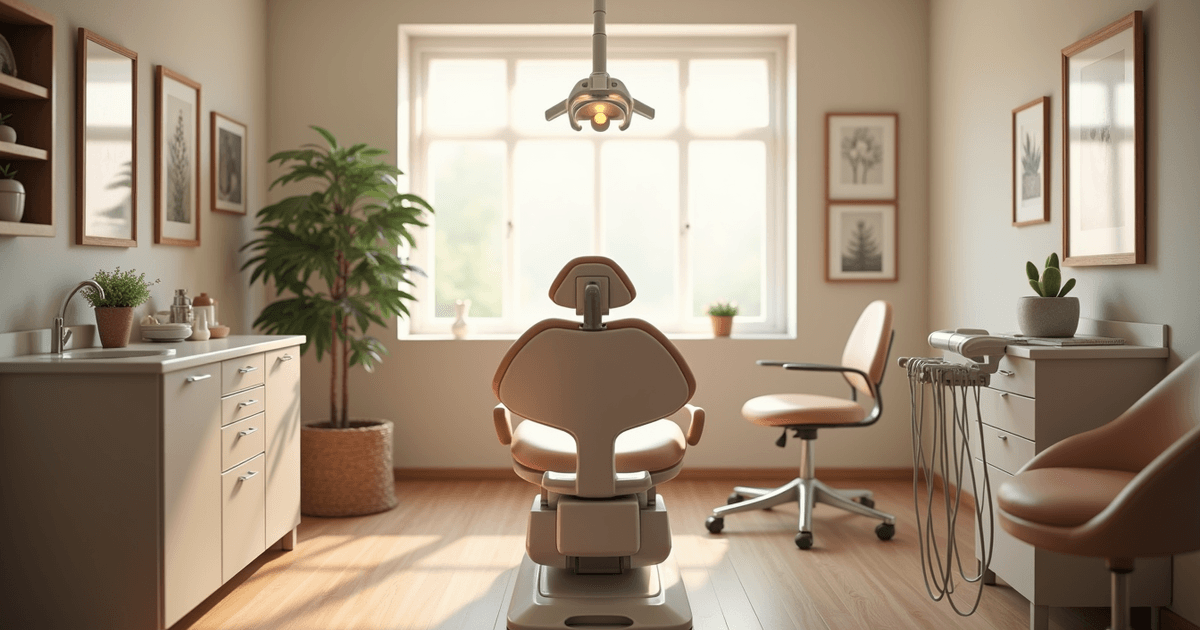
The physical environment plays a crucial role in reducing dental anxiety. A welcoming, peaceful space can help patients feel more comfortable from the moment they walk in.
Key features of a calming dental office include:
Soft lighting that avoids harsh glare
Comfortable seating in the waiting area and treatment rooms
Soothing colors such as blues, greens, or earth tones
Gentle background music or nature sounds
Minimal noise from equipment or conversations
Pleasant scents like lavender or vanilla through diffusers
Some practices also offer amenities like blankets, headphones, or stress balls to help patients relax. Clear signage and friendly staff further reduce confusion and stress.
The Role of Compassionate Care in Gentle Dentistry
Beyond sedation and environment, the dental team’s attitude and communication style significantly influence patient comfort. Compassionate care means listening carefully, showing empathy, and respecting each patient’s feelings.
Building Trust Through Communication
Patients feel more at ease when they understand what to expect. Dentists and hygienists who explain procedures clearly and answer questions patiently help reduce fear of the unknown. Using simple language and avoiding technical jargon makes information accessible.
Personalized Attention
Gentle dentistry involves tailoring care to each patient’s unique needs. This might include:
Allowing extra time for appointments
Offering breaks during treatment
Using distraction techniques such as guided imagery or conversation
Encouraging patients to signal if they need to pause
Positive Reinforcement
Acknowledging patient bravery and progress builds confidence. Praising small steps, like sitting in the dental chair or opening the mouth, motivates patients to continue facing their fears.
Examples of Gentle Dentistry in Action
Consider a patient who avoided dental care for years due to severe anxiety. At their first visit, the dental team took time to discuss fears and explain sedation options. The patient chose nitrous oxide, which helped them relax during a cleaning. The office’s calming decor and soft music further eased tension. Over several visits, the patient gradually became more comfortable, eventually completing necessary restorative work with oral sedation.
Another example involves a child with dental phobia. The dentist used a gentle voice, allowed the child to hold a favorite toy, and explained each step using playful language. The team scheduled shorter appointments and offered frequent breaks. This compassionate approach helped the child build trust and reduce fear.
Encouraging Patients to Take the First Step
Dental anxiety can feel isolating, but many people share this experience. Knowing that gentle dentistry options exist can empower patients to seek care. If anxiety has kept you from visiting the dentist, consider these tips:
Share your fears openly with the dental team
Ask about sedation options and office amenities
Schedule a consultation to meet the team and tour the office
Bring a trusted friend or family member for support
Practice relaxation techniques before and during appointments
Gentle dentistry is about more than just treatment; it’s about creating a partnership that supports your comfort and health.
Ready for Your Next Visit?
We’d Love to See You
Questions about anything you read here? Book a visit and Dr. Karamcheti will walk you through it in plain English.
Request a Visit