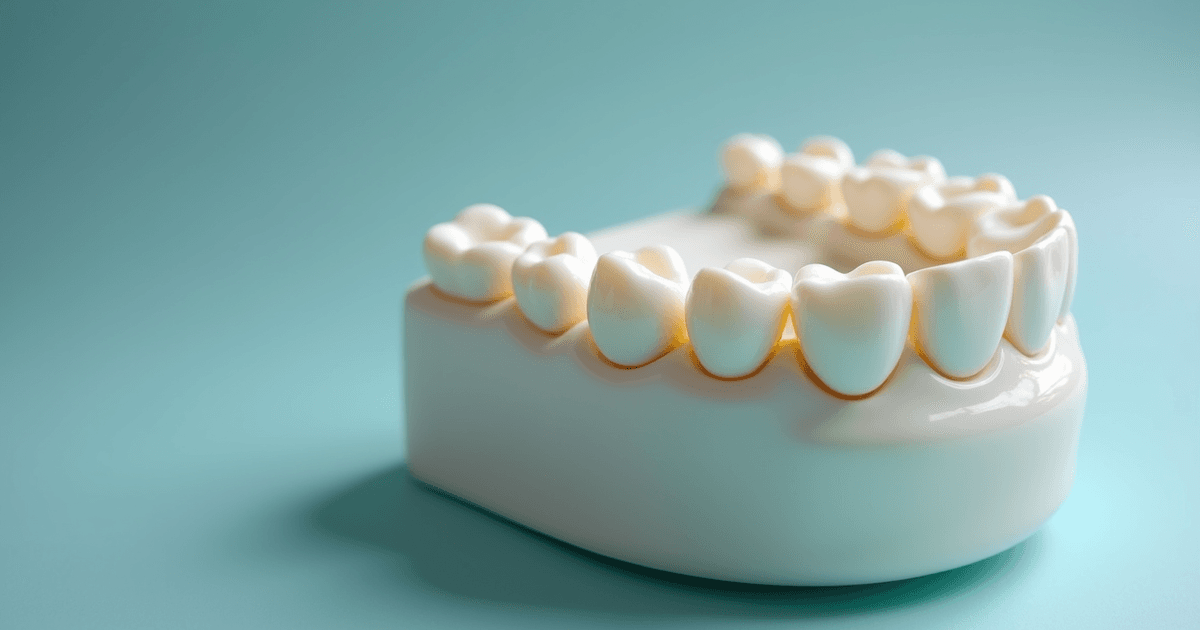
Losing multiple teeth or dealing with extensive dental damage can affect more than just your smile. It impacts your ability to eat, speak clearly, and feel confident in social situations. Full mouth reconstruction offers a path to restore both your oral health and self-esteem. This guide explains what full mouth reconstruction involves, focusing on crowns, bridges, and implant-supported bridges, to help you understand your options and make informed decisions.
Understanding Full Mouth Reconstruction
Full mouth reconstruction refers to a comprehensive dental treatment plan that addresses multiple dental issues at once. It is designed for patients who have several missing, damaged, or decayed teeth. The goal is to restore function, improve appearance, and protect the remaining teeth.
This process often involves combining various dental procedures tailored to your specific needs. These may include crowns, bridges, dental implants, and sometimes orthodontics or gum treatments. The result is a healthier mouth that looks natural and feels comfortable.
Why Full Mouth Reconstruction Matters
When many teeth are missing or damaged, it can lead to problems beyond aesthetics:
Difficulty chewing and digesting food properly
Speech difficulties due to missing teeth
Jaw pain or discomfort from uneven bite forces
Bone loss in the jaw where teeth are missing
Lower self-confidence and social withdrawal
Restoring your mouth fully can improve your overall health and quality of life. It allows you to eat a balanced diet, speak clearly, and smile without hesitation.
Crowns: Protecting and Strengthening Teeth
Crowns are tooth-shaped caps placed over damaged or weakened teeth. They restore the tooth’s shape, size, strength, and appearance. Crowns are commonly used when a tooth has a large filling, root canal treatment, or significant decay.
How Crowns Work in Full Mouth Reconstruction
Protection: Crowns shield fragile teeth from further damage.
Function: They restore chewing ability by providing a strong surface.
Appearance: Crowns are made from materials like porcelain or ceramic that mimic natural teeth.
For example, if you have several cracked or worn teeth, crowns can rebuild them to their original form, allowing you to bite and chew comfortably again.
Bridges: Filling Gaps Between Teeth
Bridges replace one or more missing teeth by anchoring artificial teeth to adjacent natural teeth or implants. They help maintain the shape of your face and prevent remaining teeth from shifting out of place.
Types of Bridges Used in Reconstruction
Traditional Bridges: Use crowns on neighboring teeth to support the bridge.
Cantilever Bridges: Supported by a crown on only one side, used when adjacent teeth are limited.
Implant-Supported Bridges: Attached to dental implants instead of natural teeth, offering greater stability.
Bridges restore your ability to chew and speak properly while improving your smile’s appearance.
Implant-Supported Bridges: A Durable Solution
Implant-supported bridges combine dental implants and bridges to replace multiple missing teeth. Instead of relying on natural teeth for support, implants are surgically placed into the jawbone, acting like tooth roots.
Benefits of Implant-Supported Bridges
Long-lasting: Implants fuse with the jawbone, providing a stable foundation.
Preserve bone: Implants help prevent bone loss that occurs after tooth loss.
Natural feel: They function and look like real teeth.
Protect adjacent teeth: Unlike traditional bridges, implants do not require grinding down neighboring teeth.
For patients missing several teeth in a row, implant-supported bridges offer a strong, reliable option that can last many years with proper care.
The Full Mouth Reconstruction Process
The journey to a restored smile usually involves several steps:
Consultation and Examination
Your dentist will evaluate your oral health, take X-rays, and discuss your goals.
Treatment Planning
A personalized plan is created, combining crowns, bridges, implants, or other treatments.
Preparation
Damaged teeth may be treated or extracted. Implants are placed if needed, which requires healing time.
Restoration Placement
Crowns and bridges are custom-made and fitted to restore your teeth.
Follow-up Care
Regular check-ups ensure your restorations remain healthy and functional.
Each patient’s timeline varies depending on the complexity of their case.
Caring for Your Restored Smile
After full mouth reconstruction, maintaining your new smile is essential:
Brush twice daily with fluoride toothpaste.
Floss carefully around crowns, bridges, and implants.
Avoid hard or sticky foods that can damage restorations.
Visit your dentist regularly for cleanings and exams.
Report any discomfort or changes promptly.
Good oral hygiene and professional care will help your restorations last for many years.
Real-Life Example
Consider Sarah, who lost several teeth due to an accident. She struggled with eating and felt self-conscious about her smile. After a full mouth reconstruction involving implant-supported bridges and crowns, Sarah regained her ability to eat comfortably and smile confidently. Her treatment took about six months, including implant healing time. Today, she enjoys improved oral health and a renewed sense of self.
Ready for Your Next Visit?
We’d Love to See You
Questions about anything you read here? Book a visit and Dr. Karamcheti will walk you through it in plain English.
Request a Visit