
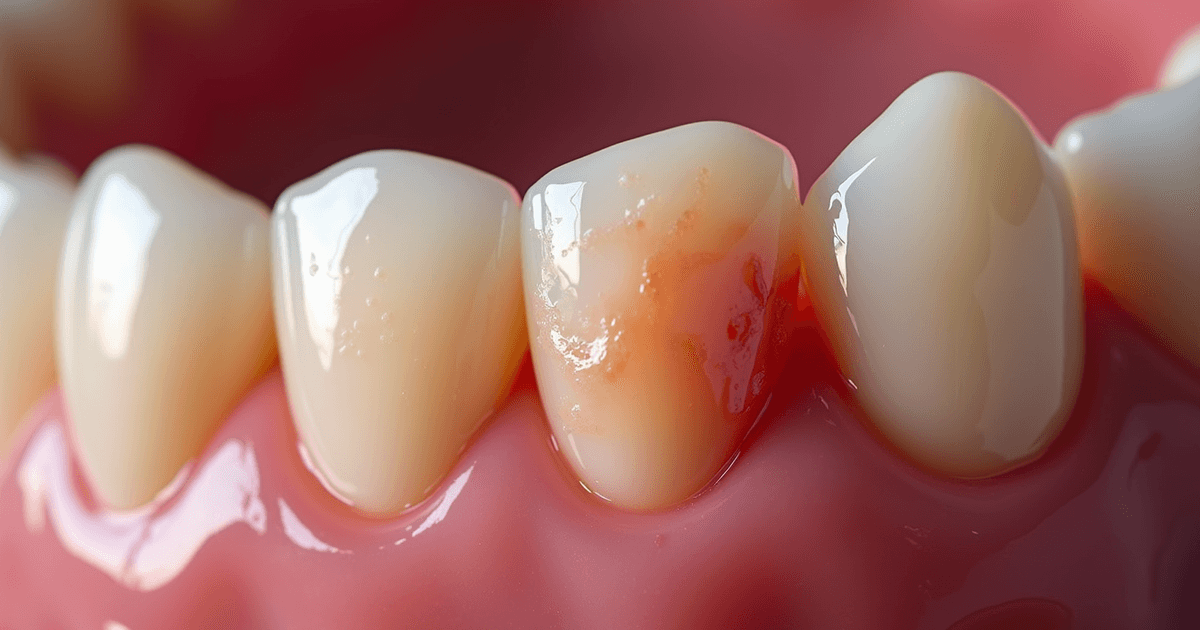
Gum disease, also known as periodontitis, is often seen as a localized problem affecting only the mouth. Yet, emerging research reveals a surprising connection between oral health and overall body wellness. Specifically, gum disease has been linked to serious conditions such as heart disease and diabetes. Understanding this connection can motivate better oral hygiene habits and encourage regular dental cleanings, which play a crucial role in maintaining both oral and systemic health.
What Is Gum Disease and How Does It Develop?
Gum disease starts as gingivitis, an inflammation of the gums caused by plaque buildup along the gumline. If untreated, it can progress to periodontitis, where the infection damages the soft tissue and bone supporting the teeth. This damage can lead to tooth loss and chronic inflammation.
The bacteria involved in gum disease produce toxins that irritate the gums, causing redness, swelling, and bleeding. Over time, the infection can create pockets between the teeth and gums, trapping more bacteria and worsening the condition.
How Gum Disease Affects Heart Health
Research shows a clear link between periodontitis and cardiovascular disease. The inflammation caused by gum disease can contribute to the development of heart problems in several ways:
Inflammatory Response: The chronic inflammation in the gums can trigger a systemic inflammatory response. This inflammation can affect blood vessels, making them more prone to damage.
Bacterial Spread: Harmful bacteria from infected gums can enter the bloodstream, potentially attaching to arteries and contributing to the formation of plaques. These plaques narrow arteries, increasing the risk of heart attacks and strokes.
Increased Risk Factors: People with gum disease often have higher levels of C-reactive protein, a marker of inflammation linked to heart disease risk.
A study published in the Journal of the American Heart Association found that individuals with severe periodontitis had a 24% higher risk of developing heart disease compared to those with healthy gums. This connection highlights the importance of managing gum health to support cardiovascular wellness.
The Connection Between Gum Disease and Diabetes
Diabetes and gum disease share a two-way relationship. Poor blood sugar control can increase the risk of developing gum infections, while gum disease can make it harder to manage diabetes.
Impact of Diabetes on Gum Health: High blood sugar levels weaken the immune system, reducing the body’s ability to fight infections, including those in the gums. This makes people with diabetes more susceptible to periodontitis.
Effect of Gum Disease on Blood Sugar: The inflammation caused by gum disease can increase insulin resistance, making it more difficult for the body to regulate blood sugar levels. This can worsen diabetes control and increase the risk of complications.
A clinical trial published in Diabetes Care demonstrated that treating gum disease in diabetic patients led to improved blood sugar control, with reductions in HbA1c levels by about 0.4%. This improvement is significant because even small reductions in HbA1c can lower the risk of diabetes-related complications.
Why Regular Dental Cleanings Matter
Regular dental cleanings are essential for preventing and managing gum disease. Professional cleanings remove plaque and tartar buildup that brushing and flossing alone cannot eliminate. This helps stop the progression of gum disease and reduces inflammation.
Dental cleanings also provide an opportunity for early detection of gum problems. Dentists can identify signs of periodontitis before it causes serious damage, allowing for timely treatment.
For people with heart disease or diabetes, maintaining good oral health through regular cleanings can support overall health management. It reduces the bacterial load and inflammation that may worsen these conditions.
Practical Tips to Protect Your Oral and Overall Health
Maintaining oral health requires consistent care and attention. Here are some practical steps to reduce the risk of gum disease and support your heart and diabetes health:
Brush teeth twice daily with fluoride toothpaste.
Floss daily to remove plaque between teeth.
Schedule dental cleanings every six months or as recommended.
Avoid tobacco use, which increases gum disease risk.
Eat a balanced diet rich in vitamins C and D to support gum health.
Manage blood sugar levels carefully if you have diabetes.
Inform your dentist about any heart or diabetes conditions for tailored care.
The Bigger Picture: Oral Health as a Window to Overall Wellness
The mouth is often called a window to the body’s health. Problems in the mouth can reflect or even contribute to issues elsewhere. Gum disease is a prime example of how oral infections and inflammation can influence chronic diseases like heart disease and diabetes.
By taking care of your gums, you are not only protecting your smile but also supporting your heart and metabolic health. This connection underscores the value of regular dental visits and good oral hygiene as part of a comprehensive approach to wellness.
Ready for Your Next Visit?
We’d Love to See You
Questions about anything you read here? Book a visit and Dr. Karamcheti will walk you through it in plain English.
Request a Visit