A bright, confident smile can transform your appearance and boost your self-esteem. When it comes to cosmetic dental improvements, two popular options stand out: porcelain veneers and composite bonding. Both treatments aim to enhance your smile, but they differ in cost, durability, and procedure. This guide will help you understand these differences so you can make an informed choice that fits your goals and lifestyle.
What Are Porcelain Veneers and Composite Bonding?
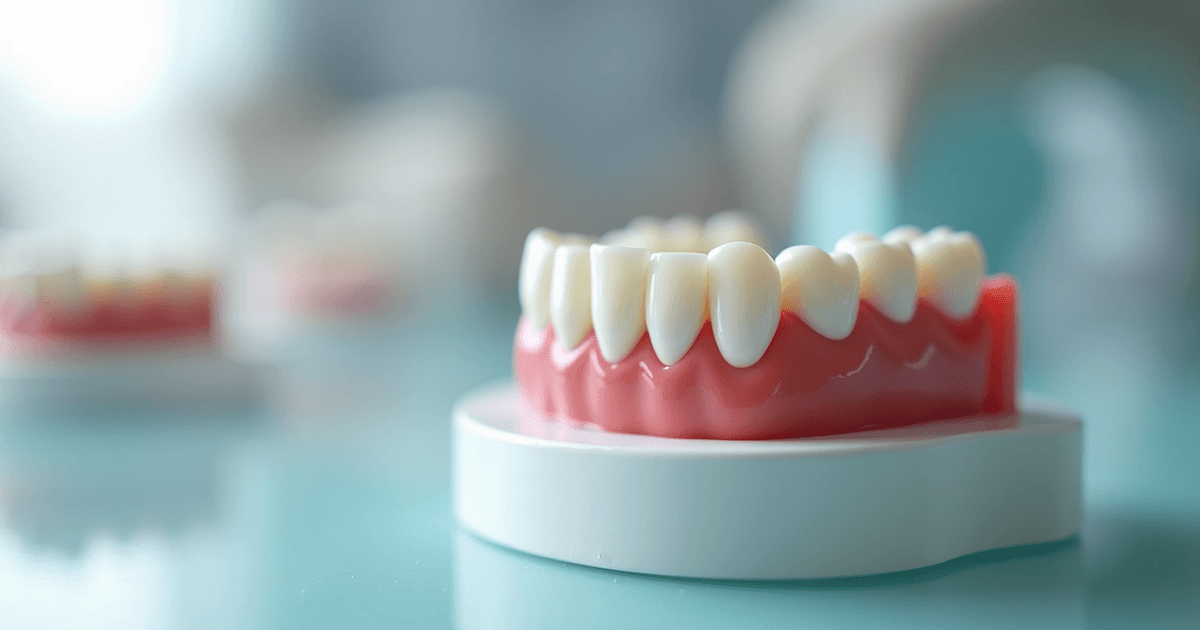
Porcelain veneers are thin shells made from high-quality ceramic material. They cover the front surface of your teeth to improve shape, color, and alignment. Veneers are custom-made in a dental lab and bonded permanently to your teeth.
Composite bonding uses a tooth-colored resin applied directly to your teeth. The dentist sculpts the resin to fix chips, gaps, discoloration, or minor misalignments. The resin hardens quickly with a special light, creating a natural-looking finish.
Procedure Steps for Porcelain Veneers
The process for porcelain veneers usually takes two to three visits:
Consultation and planning: Your dentist examines your teeth, discusses your goals, and takes X-rays or impressions.
Tooth preparation: A small amount of enamel (about 0.5 mm) is removed from the front of your teeth to make room for the veneers.
Impressions: The dentist takes precise molds of your teeth and sends them to a lab.
Temporary veneers: You may receive temporary veneers while waiting for the permanent ones.
Bonding: Once the veneers arrive, your dentist checks the fit and color, then bonds them to your teeth using dental cement and a curing light.
This process ensures a durable, natural look that can last many years.
Procedure Steps for Composite Bonding
Composite bonding is usually completed in a single visit:
Consultation: Your dentist evaluates your teeth and discusses the desired changes.
Tooth preparation: Little to no enamel removal is needed.
Application: The dentist applies the composite resin in layers, shaping it to match your natural teeth.
Curing: A special light hardens the resin.
Polishing: The surface is smoothed and polished for a natural shine.
This quick procedure is less invasive and ideal for minor cosmetic fixes.
Cost Comparison
Cost is a major factor for many patients considering cosmetic dental work.
Porcelain veneers typically cost between $900 and $2,500 per tooth. The price varies based on location, dentist expertise, and the quality of materials.
Composite bonding usually costs between $300 and $600 per tooth, making it a more affordable option.
While veneers have a higher upfront cost, their longevity can make them more cost-effective over time.
Durability and Longevity
Porcelain veneers are known for their strength and resistance to stains. With proper care, they can last 10 to 15 years or longer. They maintain their color and shape well, making them a long-term investment in your smile.
Composite bonding, while durable, is more prone to chipping and staining. It typically lasts 4 to 8 years before needing touch-ups or replacement. The resin material can wear down faster, especially if you grind your teeth or eat hard foods.
Aesthetic Results
Both treatments can dramatically improve your smile, but the finish differs:
Porcelain veneers offer a glossy, natural appearance that closely mimics real tooth enamel.
Composite bonding can be matched to your tooth color but may not have the same translucency or smoothness as porcelain.
If you want a flawless, high-end look, veneers are often preferred. For quick fixes or smaller changes, bonding provides a natural and cost-effective solution.
Maintenance and Care
Both veneers and bonding require good oral hygiene:
Brush twice daily and floss regularly.
Avoid biting hard objects like ice or pens.
Limit foods and drinks that stain, such as coffee, tea, and red wine.
Visit your dentist for regular check-ups and cleanings.
Porcelain veneers resist stains better but still need care to avoid damage. Composite bonding may require more frequent polishing or repairs.
Which Option Is Right for You?
Choosing between porcelain veneers and composite bonding depends on your budget, smile goals, and lifestyle:
Choose porcelain veneers if you want a long-lasting, highly aesthetic solution and are willing to invest more upfront.
Choose composite bonding if you want a quick, affordable fix for minor imperfections and don’t mind periodic maintenance.
Discuss your options with a trusted cosmetic dentist who can evaluate your teeth and recommend the best treatment for your unique needs.
Ready for Your Next Visit?
We’d Love to See You
Questions about anything you read here? Book a visit and Dr. Karamcheti will walk you through it in plain English.
Request a Visit